


Today’s Theme: Biophilic Design Principles

Welcome to a home page devoted to Biophilic Design Principles—practical ways to reconnect spaces with nature for calm, creativity, and wellbeing. Explore ideas, true stories, and actionable steps, and share how you bring nature indoors.

What Biophilic Design Really Means

Biophilia suggests humans are drawn to nature. Translating that into home life means daylight by your desk, a plant cluster near seating, tactile materials under hand, and views that invite your eyes to rest and wander.

Light, Air, and Seasonal Rhythm

Daylight That Supports Your Body Clock

Aim for bright, indirect morning light near where you work or read, and softer evenings. Layer shades, reflect light off pale walls, and position mirrors thoughtfully. Your sleep, mood, and focus will likely thank you.

Breathable Homes and Offices

Operable windows, ceiling fans, and cross-ventilation add gentle variability the body interprets as natural. Combine with low-VOC materials and living plants that transpire. Notice how a quiet breeze can change your energy within minutes.

Embracing Seasonal Change

Adjust textiles, plant care, and lighting warmth as seasons shift. Celebrate winter’s low sun, spring’s growth, summer’s open windows, and autumn’s textures. Share how you honor seasons at home without buying anything new.

Materials and Patterns from Nature

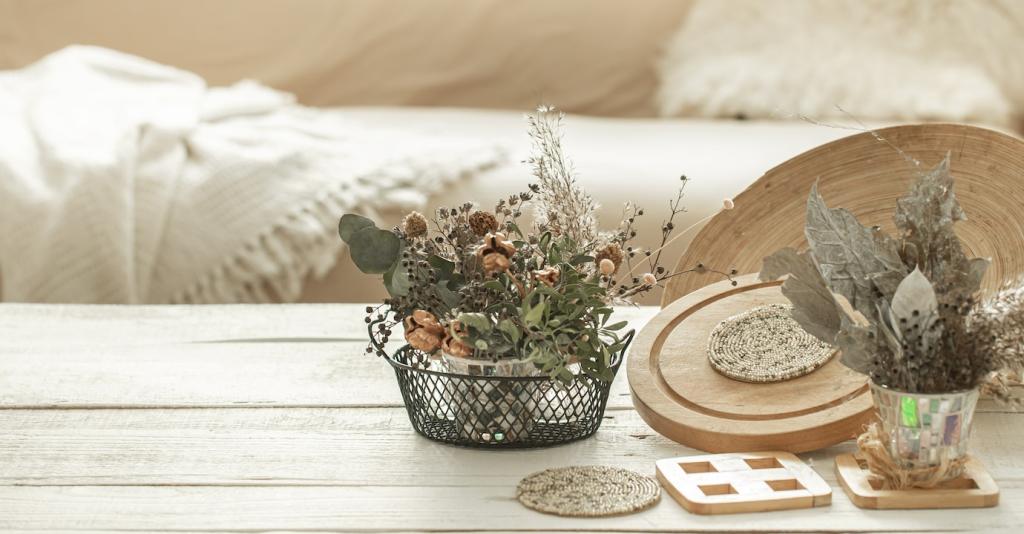
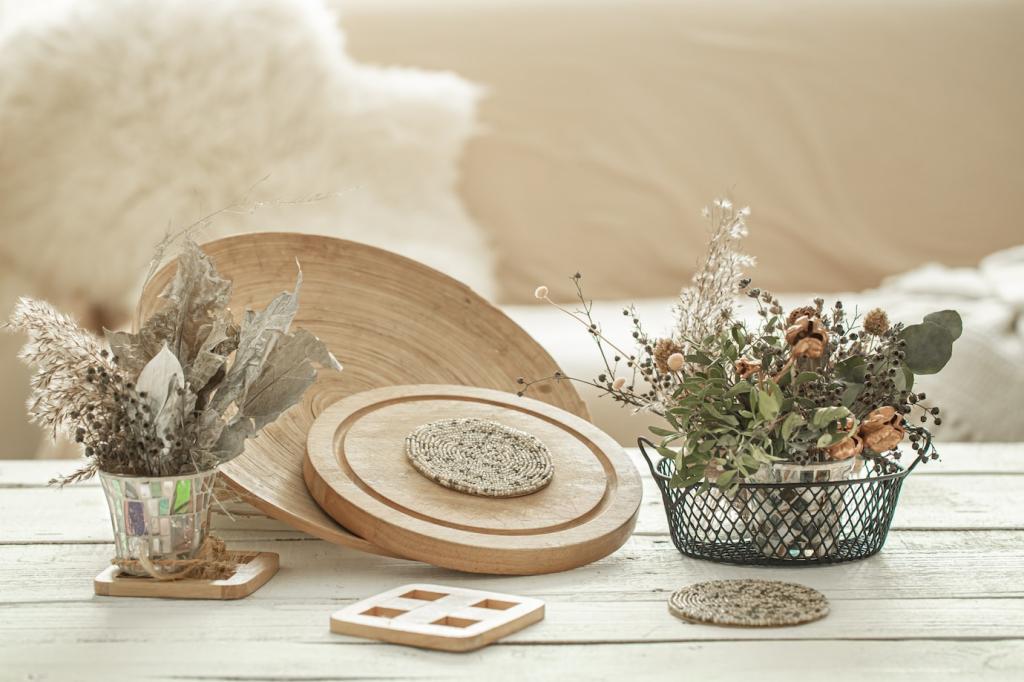
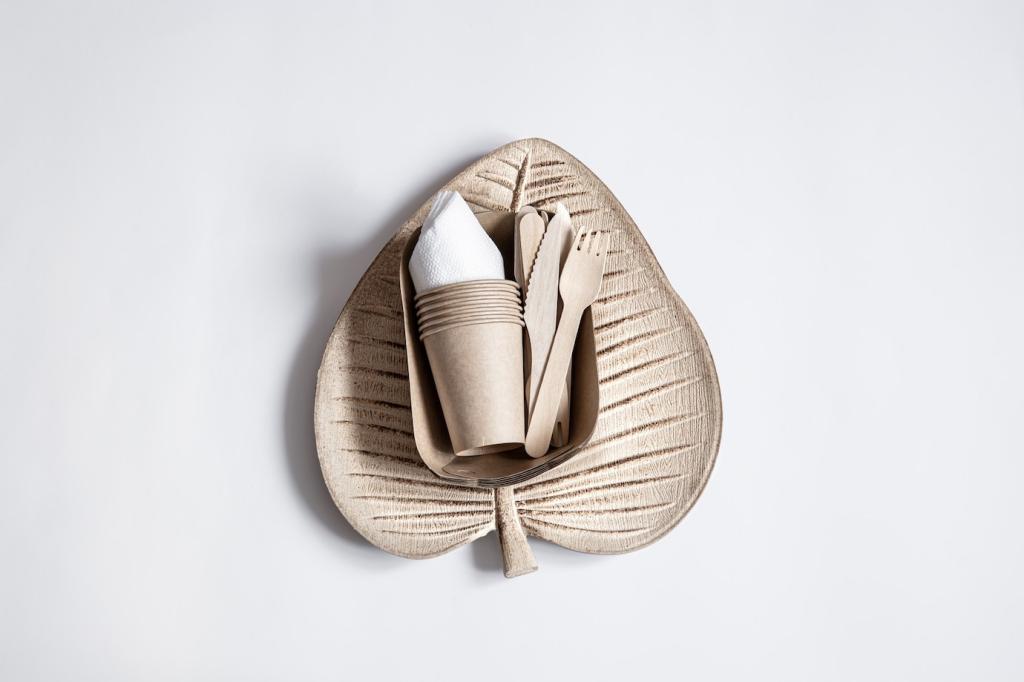
Choose solid wood, cork, clay, stone, wool, or linen with verified low emissions. The warmth of wood grain or a clay wall’s soft sheen can quietly reduce stress and foster a sense of lasting, grounded comfort.

Water, Plants, and Urban Biodiversity

01

Plant Communities, Not Single Pots

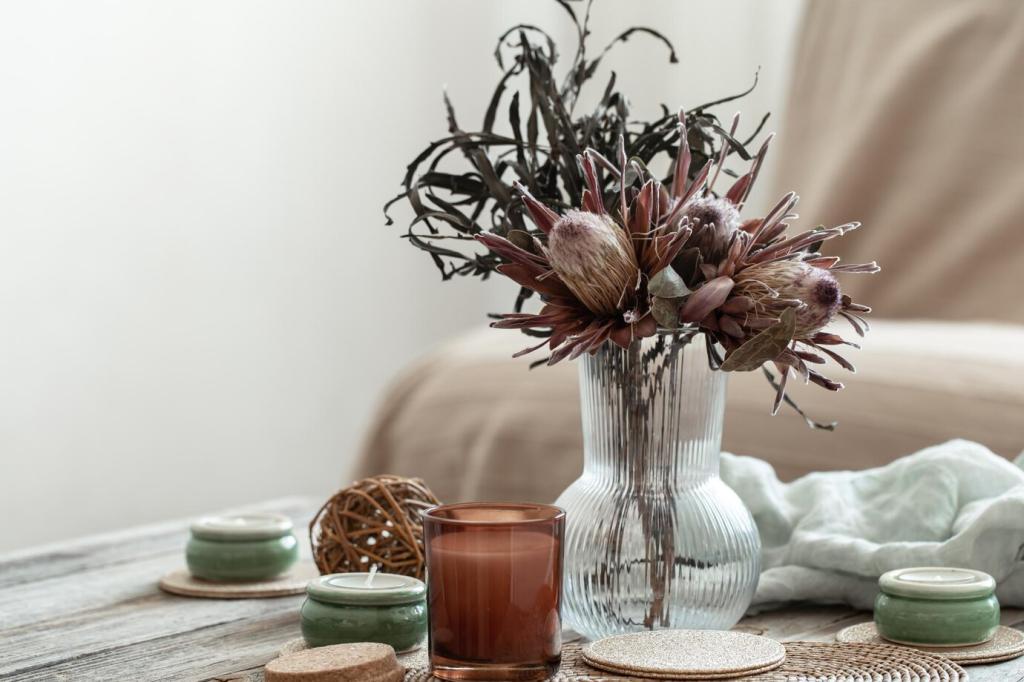
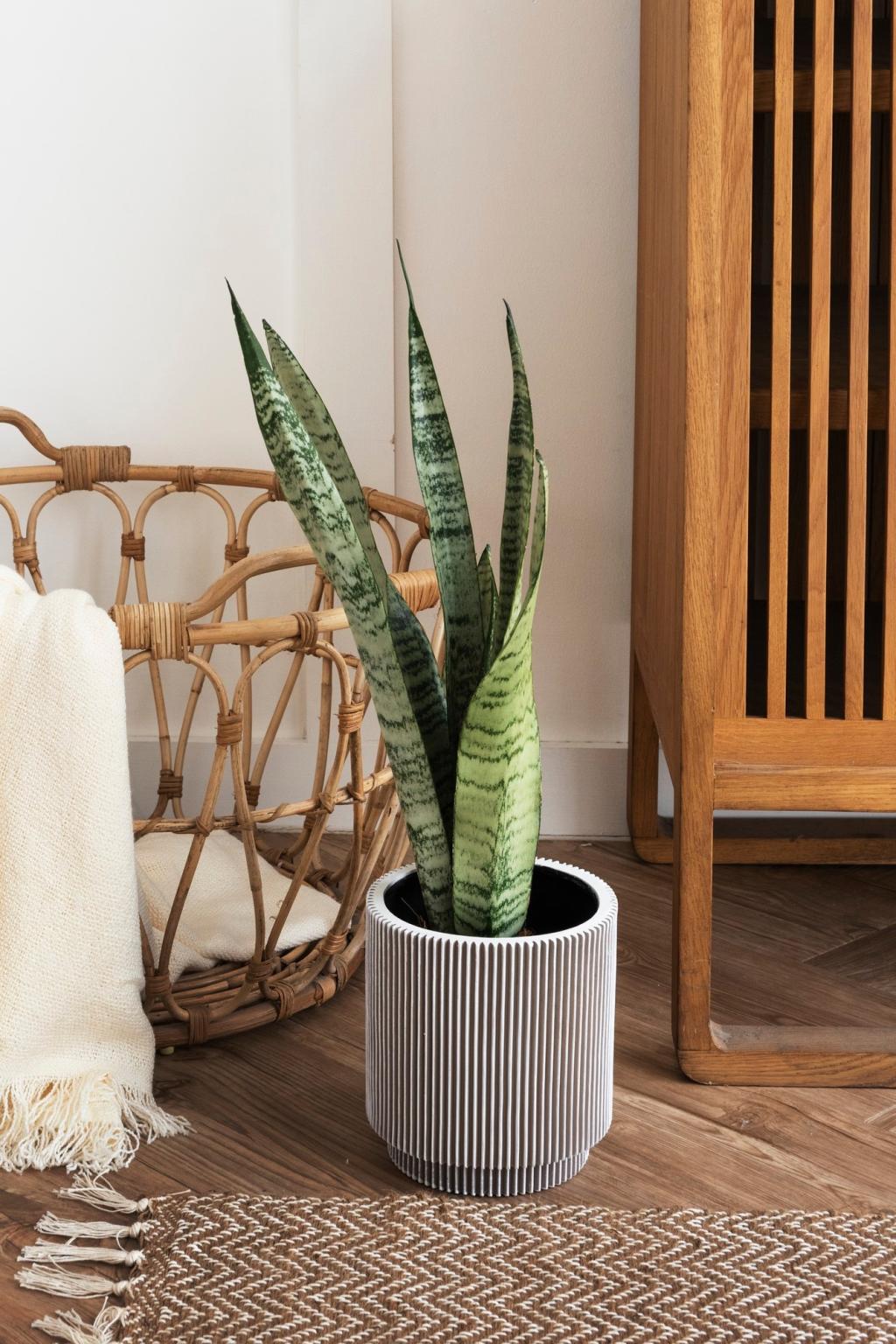
Group species with complementary light and humidity needs—taller canopies, mid-story foliage, and trailing groundcovers. This layered approach feels more natural and stabilizes care routines. Share your trio that thrives together in your space.
02

Dynamic Water Features

A tiny recirculating fountain or tabletop ripple softens background noise and signals calm. Keep it easy to clean and place within sightlines. Notice how even subtle water motion slows the breath and quiets chatter.
03

Microhabitats for Pollinators

On balconies, add native flowering plants, shallow water stones, and pesticide-free soil. In courtyards, consider a small log habitat. Document visiting bees or butterflies and share which species appear across seasons in your neighborhood.

Evidence, Outcomes, and Measuring Impact

Studies link nature views and daylight to improved focus, reduced blood pressure, and faster recovery. Offices report fewer headaches and better task accuracy. Homes show calmer routines and stronger sleep when light and airflow are tuned.

Evidence, Outcomes, and Measuring Impact

Note sleep quality, screen breaks, indoor air readings, and perceived stress scores weekly. Photograph plant growth and daylight patterns. Small, consistent data helps you adjust design choices, then share what truly moves the needle.

Get Started: Small Steps with Big Effects

Open a window, rotate your seat to capture a view, cluster plants, and clear a sunlit surface. Add a natural texture to your mouse hand area. Comment with the one tweak that felt best.

Get Started: Small Steps with Big Effects

Build a refuge nook, install sheer curtains for soft daylight, or mount a branching wall shelf. Swap synthetic fragrance for fresh herbs. Post before-and-after photos and describe how the space feels different on Monday.

Get Started: Small Steps with Big Effects

Subscribe for monthly experiments, reader spotlights, and research summaries. Ask questions, request deep dives, or nominate a space for feedback. Your stories help this community refine Biophilic Design Principles into real, everyday practices.

Get Started: Small Steps with Big Effects

Lorem ipsum dolor sit amet, consectetur adipiscing elit. Ut elit tellus, luctus nec ullamcorper mattis, pulvinar dapibus leo.

Livingonlexington
Privacy Overview

This website uses cookies so that we can provide you with the best user experience possible. Cookie information is stored in your browser and performs functions such as recognising you when you return to our website and helping our team to understand which sections of the website you find most interesting and useful.